
Getting™ Started | Ledger® Live: Desktop® | Ledger Wallet™
Learn about Ledger Live Desktop, a practical solution for managing Ledger devices, tracking supported assets, organizing accounts, installing applications, checking activity, and reviewing transactions from your computer.
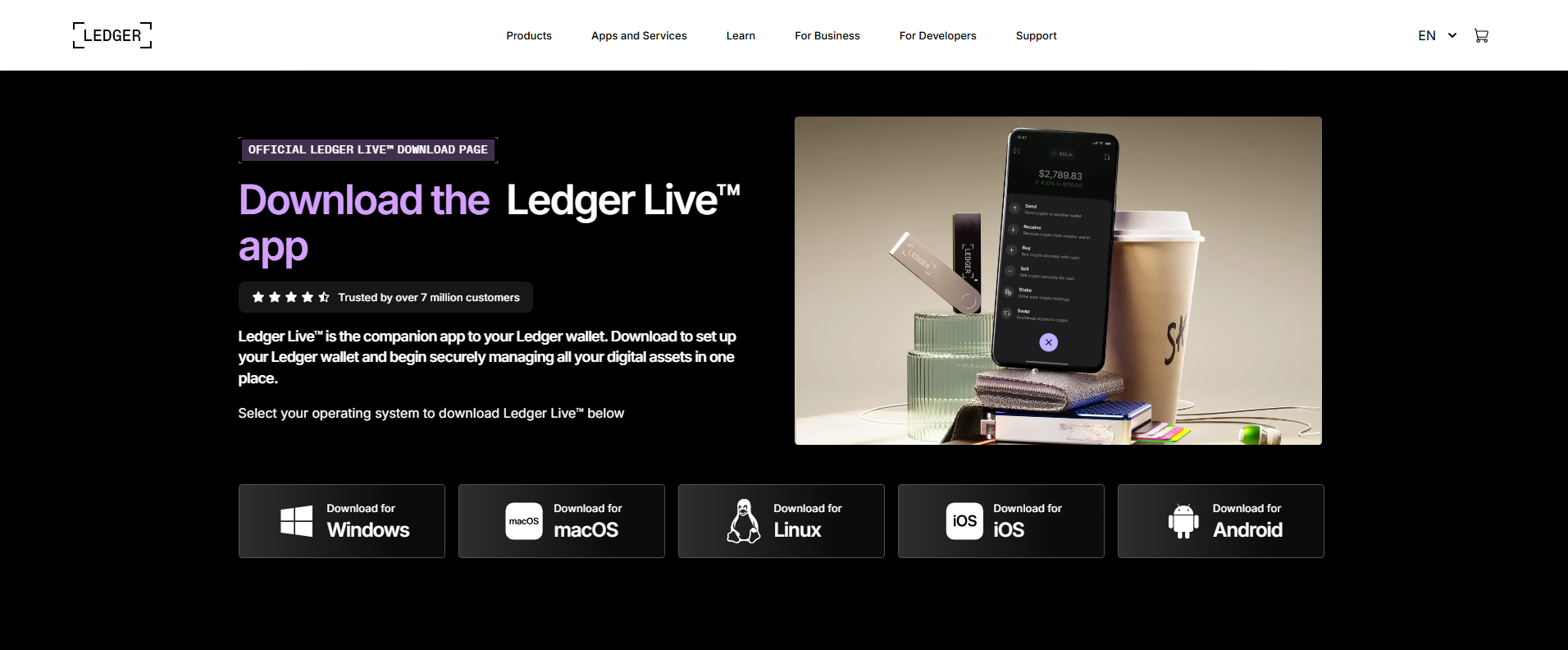
Ledger Live Desktop: Complete Guide to Secure Crypto Management
Managing cryptocurrency from a desktop computer can be more convenient when you have a clear and organized wallet interface. Ledger Live Desktop is commonly used to describe the desktop experience for managing supported crypto assets with a Ledger hardware wallet. It gives users a practical way to review accounts, monitor portfolio activity, install supported blockchain applications, and interact with their hardware wallet.
For beginners, cryptocurrency management may initially seem complicated. Terms such as private keys, recovery phrases, blockchain networks, wallet accounts, and transaction confirmations can be unfamiliar. Learning how these components work together makes it easier to use a hardware wallet confidently.
What Is Ledger Live Desktop?
Ledger Live Desktop is the desktop-based wallet management environment associated with Ledger hardware wallets. It is designed to provide users with an interface for managing supported digital assets while keeping the most important security operations tied to the physical hardware wallet.
Ledger currently uses the name Ledger Wallet for its wallet application, although many existing users and online resources continue to use the term Ledger Live. The official Ledger platform provides desktop downloads for supported operating systems.
Using a desktop interface can be especially useful for people who want a larger workspace for reviewing balances, accounts, and transaction information.
Why Choose a Desktop Wallet Experience?
A desktop wallet can make routine crypto management easier to organize. Instead of relying on a small mobile screen, users can view more information at once and navigate between different wallet sections comfortably.
Ledger Live Desktop can be useful for activities such as checking supported account balances, reviewing transaction history, managing compatible blockchain applications, and connecting a Ledger hardware wallet.
The main benefit is convenience, but convenience should always work alongside good security practices. The desktop application should be treated as a management interface, while the hardware wallet provides an important layer of protection for private keys and transaction approvals.
How Ledger Live Desktop Works With a Hardware Wallet
A hardware wallet and its companion application have different roles.
The hardware wallet is designed to protect private keys and approve transactions. The desktop application provides the interface through which users can manage supported accounts and prepare transactions.
When a transaction is ready for approval, users should carefully review the details displayed on the hardware wallet before confirming it. This provides an additional opportunity to verify what is actually being authorized.
Understanding this relationship is important for new users. The desktop application does not replace the security role of the hardware device. Instead, the two components work together to provide a practical wallet-management experience.
Setting Up Ledger Live Desktop
The first step is obtaining the wallet software from a legitimate Ledger source. This is important because fake wallet applications and phishing websites can be designed to look convincing.
Ledger's security guidance warns users about fraudulent applications and emphasizes that recovery phrases should never be entered into applications or shared with anyone.
After installing the appropriate desktop application, connect your compatible Ledger device and follow the setup instructions shown on screen.
Depending on your device and chosen cryptocurrency, setup may involve creating accounts, installing blockchain applications, and completing device verification steps.
Avoid rushing through the process. Carefully reading each security prompt can help prevent mistakes.
Protecting Your Recovery Phrase
The recovery phrase is one of the most important security elements associated with a hardware wallet.
Ledger describes the Secret Recovery Phrase as a backup connected to the private keys controlling cryptocurrency assets. Ledger devices use a 24-word recovery phrase, and Ledger advises users not to enter these words into a computer or smartphone and never to share them with another person.
Your recovery phrase should remain offline and private. Do not store it in screenshots, emails, cloud accounts, text files, or messaging applications.
If someone obtains your recovery phrase, they may be able to restore the wallet elsewhere. For this reason, protecting the backup is a fundamental part of cryptocurrency security.
Managing Crypto Accounts
Once the wallet is configured, the desktop application can help organize supported cryptocurrency accounts.
Users may be able to review balances, monitor transaction history, and manage supported assets through the available interface. A centralized dashboard can make it easier to understand portfolio activity without constantly switching between different applications.
It is also helpful to understand that cryptocurrency itself is recorded on a blockchain. The hardware wallet does not physically contain coins. Instead, it protects the private keys used to control blockchain-based assets.
This distinction can help beginners understand why wallet security is primarily about protecting access credentials and recovery information.
Installing Supported Blockchain Applications
Different cryptocurrencies can require different blockchain applications on a compatible Ledger device. These applications allow the hardware wallet to interact with particular networks and supported assets.
Ledger Live Desktop can provide an interface for managing these applications. Keeping device software and applications updated can also help maintain compatibility.
Before installing an application, always verify that you are working inside the legitimate Ledger environment. Avoid downloading wallet-related software from unknown websites or links received through unsolicited messages.
Making Transactions Carefully
Sending cryptocurrency requires attention because blockchain transactions can be difficult or impossible to reverse.
Before confirming a transaction, review the recipient address, amount, network, and other information shown by your hardware wallet. Do not approve a transaction simply because a website or computer screen tells you that it is correct.
If the information looks unfamiliar or unexpected, stop before approving anything.
Developing a habit of checking transaction details directly on the hardware device can add an important security step to everyday wallet use.
Avoiding Common Security Mistakes
Many wallet security problems come from simple mistakes rather than complicated technical failures.
Never reveal your recovery phrase to another person. Legitimate support should not need your recovery words. Avoid entering the phrase into websites, applications, forms, or messages.
Users should also be cautious about fake support accounts, phishing emails, suspicious browser pages, and unofficial wallet downloads.
Another common mistake is failing to verify transaction information before pressing the confirmation button. Taking a few extra seconds to check the details can prevent costly errors.
Keeping Ledger Wallet Software Updated
Software updates can provide improvements, compatibility changes, and security-related fixes. Keeping the wallet environment maintained can therefore be an important part of long-term device management.
Before updating a hardware wallet, users should make sure their recovery backup is available and securely stored. Ledger's support guidance highlights the importance of having recovery information available in situations where a device may need to be reset or restored.
Updates should always be performed through legitimate Ledger software and according to the instructions provided by the platform.
Final Thoughts
Ledger Live Desktop offers a convenient desktop environment for people who want to manage supported cryptocurrency accounts with a Ledger hardware wallet. Its larger interface can make portfolio monitoring, account organization, application management, and transaction review easier.
However, the strongest wallet experience comes from combining convenience with careful security habits. Use legitimate software sources, protect your recovery phrase offline, verify transactions on the hardware device, and remain alert to phishing attempts.
Whether you are completely new to cryptocurrency or already manage several digital assets, understanding how the desktop application and hardware wallet work together can make everyday crypto management simpler and more secure.
Updated about 3 hours ago