
Ledger® Live Desktop |Your Wallet®
Explore Ledger Live Desktop to simplify crypto portfolio management with convenient account tools, device connectivity, application installation, transaction review, balance tracking, and essential wallet security features.
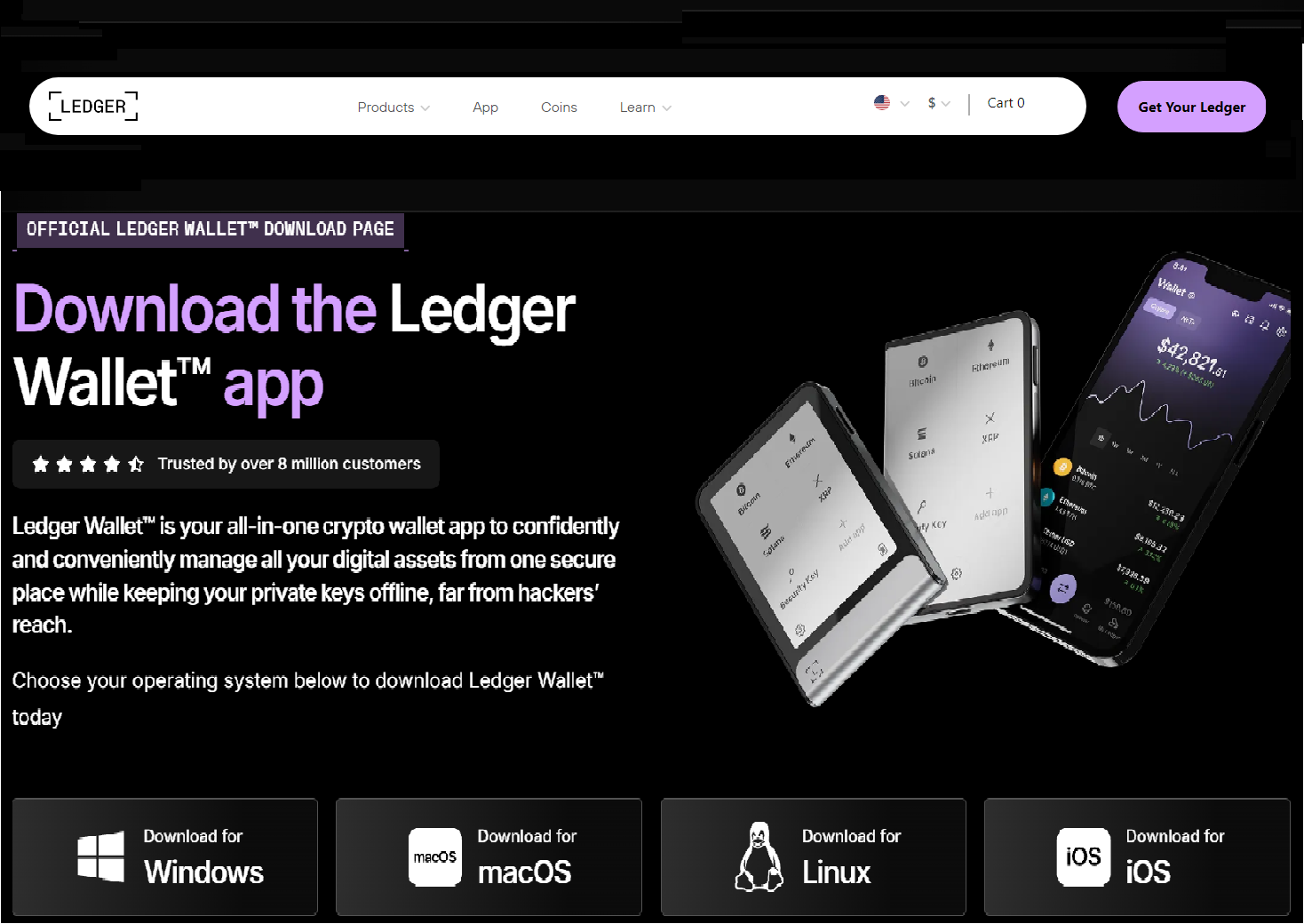
Ledger Live Desktop: A Complete Guide to Managing Your Crypto Securely
Managing cryptocurrency from a computer becomes much easier when your wallet tools are organized in one place. Ledger Live Desktop is widely associated with the desktop experience for managing Ledger hardware wallets, checking balances, handling supported assets, and keeping device software up to date.
For newcomers, crypto management can seem complicated. Concepts such as blockchain networks, private keys, recovery phrases, accounts, applications, and transaction approvals can take time to understand. A good desktop wallet environment can make these tasks more approachable while keeping security an important part of the process.
What Is Ledger Live Desktop?
Ledger Live Desktop refers to the desktop wallet management experience developed for Ledger users. It provides an interface where users can connect a compatible Ledger hardware wallet and perform supported wallet-management activities from a computer.
Ledger's current product pages use Ledger Wallet branding, while many users and existing guides still refer to the software as Ledger Live.
The desktop environment is useful for people who prefer a larger screen for reviewing accounts and transactions. Instead of relying entirely on a mobile device, users can work from a Windows, macOS, or Linux computer where supported.
Why Use a Desktop Wallet Environment?
A desktop interface can be particularly convenient for users who regularly monitor several cryptocurrency accounts. A larger display makes it easier to review balances, examine transaction details, and navigate different sections of a wallet application.
Another advantage is organization. Users may manage multiple supported assets and accounts from the same application instead of switching between unrelated tools.
However, convenience should never replace security. A hardware wallet is designed to keep private keys protected on the physical device, while the desktop application provides an interface for interacting with supported blockchain networks and wallet accounts.
How Ledger Live Desktop Works With a Hardware Wallet
The important distinction between the application and the hardware wallet is security.
Your hardware wallet is responsible for protecting the private keys used to authorize transactions. The desktop application acts as a management interface, allowing you to view account information and prepare supported actions.
When a transaction requires approval, important details should be checked carefully on the hardware wallet itself before confirmation. This helps reduce the risk of approving an incorrect transaction because of misleading information displayed elsewhere.
The basic concept is straightforward: the computer provides the interface, while the hardware wallet provides an additional security layer for key management and transaction authorization.
Getting Started With Ledger Live Desktop
Before using a desktop wallet application, make sure you obtain the software from an official Ledger source. Fake wallet applications and phishing websites can imitate legitimate services, making it important to verify where software comes from. Ledger specifically warns users about fraudulent applications and emphasizes protecting their recovery information.
After installing the appropriate application, connect your compatible Ledger hardware wallet and follow the on-screen setup instructions.
Depending on the device and account you are configuring, you may need to create or restore accounts, install the relevant blockchain applications, and connect supported networks.
Take your time during setup. Rushing through security prompts can lead to mistakes that are difficult to correct later.
Understanding the Recovery Phrase
One of the most important parts of setting up a hardware wallet is understanding the recovery phrase.
Ledger describes the Secret Recovery Phrase as a backup associated with the private keys controlling crypto assets. Ledger devices use a 24-word recovery phrase, and the company warns users never to enter those words into a computer or smartphone or share them with another person.
Your recovery phrase should remain private and offline. It should not be copied into emails, cloud storage, screenshots, messaging applications, websites, or ordinary computer files.
Anyone who obtains the recovery phrase may potentially gain access to assets controlled by that wallet. For that reason, protecting the phrase is just as important as protecting the physical device.
Managing Crypto Accounts
Once the wallet is configured, Ledger Live Desktop can provide a convenient way to review supported accounts and portfolio information.
Users can typically monitor balances, review transaction history, and interact with supported assets through the available interface. Having these details presented together can make routine portfolio management simpler.
Remember that cryptocurrency balances are recorded on their respective blockchains. The hardware wallet protects the credentials required to control those assets rather than physically storing coins inside the device.
This distinction is useful for beginners because losing access to an application does not necessarily mean the blockchain assets themselves have disappeared.
Installing Blockchain Applications
Different cryptocurrencies can use different blockchain networks and applications. A compatible Ledger device may therefore require a corresponding blockchain application before a particular asset can be managed.
The desktop wallet environment can help users identify and install supported applications. Keeping applications and device software current can also be important for compatibility and security.
Before installing anything, verify that you are using the legitimate Ledger application and that the information displayed during installation matches what you expect.
Safe Transaction Practices
Security should remain part of every transaction.
Before approving a transaction on your hardware wallet, carefully review the recipient address, amount, network, and other available details. Never approve a transaction simply because a website or computer application tells you to do so.
If something looks unfamiliar, stop and investigate before continuing.
You should also avoid sharing your PIN, recovery phrase, or other confidential wallet information. Legitimate support should never require you to reveal your recovery phrase.
Keeping Your Wallet Updated
Software and firmware updates can provide improvements, compatibility changes, and security fixes. Before performing an important update, make sure you understand the process and have access to your recovery backup.
Ledger's security guidance recommends maintaining control of the recovery phrase, particularly because certain device or software situations can make recovery information important if a device becomes unavailable or needs to be restored.
Keeping both the hardware wallet and its associated software maintained can provide a smoother experience over time.
Common Mistakes to Avoid
Several simple mistakes can weaken an otherwise secure wallet setup.
Never type your recovery phrase into a website or application. Do not photograph or digitally store it. Avoid downloading wallet software from advertisements, random links, or unofficial websites.
Do not ignore transaction details displayed on the hardware wallet. Also, avoid sending cryptocurrency to an address without verifying it carefully.
Security works best when these habits become routine rather than something you remember only when making a large transaction.
Final Thoughts
Ledger Live Desktop provides a convenient desktop environment for users who want to manage supported cryptocurrency accounts alongside a Ledger hardware wallet. Its larger interface can make portfolio monitoring, account organization, application management, and transaction review easier.
The most important part of using any crypto wallet, however, is responsible security. Download wallet software from legitimate sources, keep your recovery phrase completely private, verify transactions on your hardware device, and stay attentive to phishing attempts.
With careful setup and consistent security habits, a desktop wallet environment can make everyday cryptocurrency management more organized and easier to understand.
Updated about 3 hours ago